Usual Features
Sensory level of sensitivities and handling differences are a crucial facet of autistic actions that's frequently neglected. Lots of individuals on the range experience heightened or reduced responses to sensory input. A gentle touch may feel excruciating, or a quiet noise may be extremely loud. On the other hand, some autistic individuals may seek out intense sensory experiences, discovering comfort in deep stress or repetitive aesthetic stimuli. This isn't a matter of option or absence of initiative; it's merely a various method of regarding and engaging with the globe.
What Does Autism In Kids Look Like?
- Autistic youngsters can be quiet, chatty, exceptionally smart, have intellectual handicaps, or extremely sociable.Some may discover comfort in rigid routines, while others grow on spontaneity.Instruct dealing strategies to aid them self-regulate during overwhelming situations.In addition, autistic youngsters might battle with eye call or placing their bodies appropriately throughout discussions.
Social connections and interactions can be especially challenging for people with ASD. Making and preserving relationships, browsing charming partnerships, or perhaps taking part in small talk can feel like navigating a minefield. But with understanding and support, many individuals with ASD develop meaningful links and partnerships. One more myth concerning actions is that it becomes part of a youngster's individuality Autism spectrum traits in adults and medical diagnosis, and therefore can not be changed.
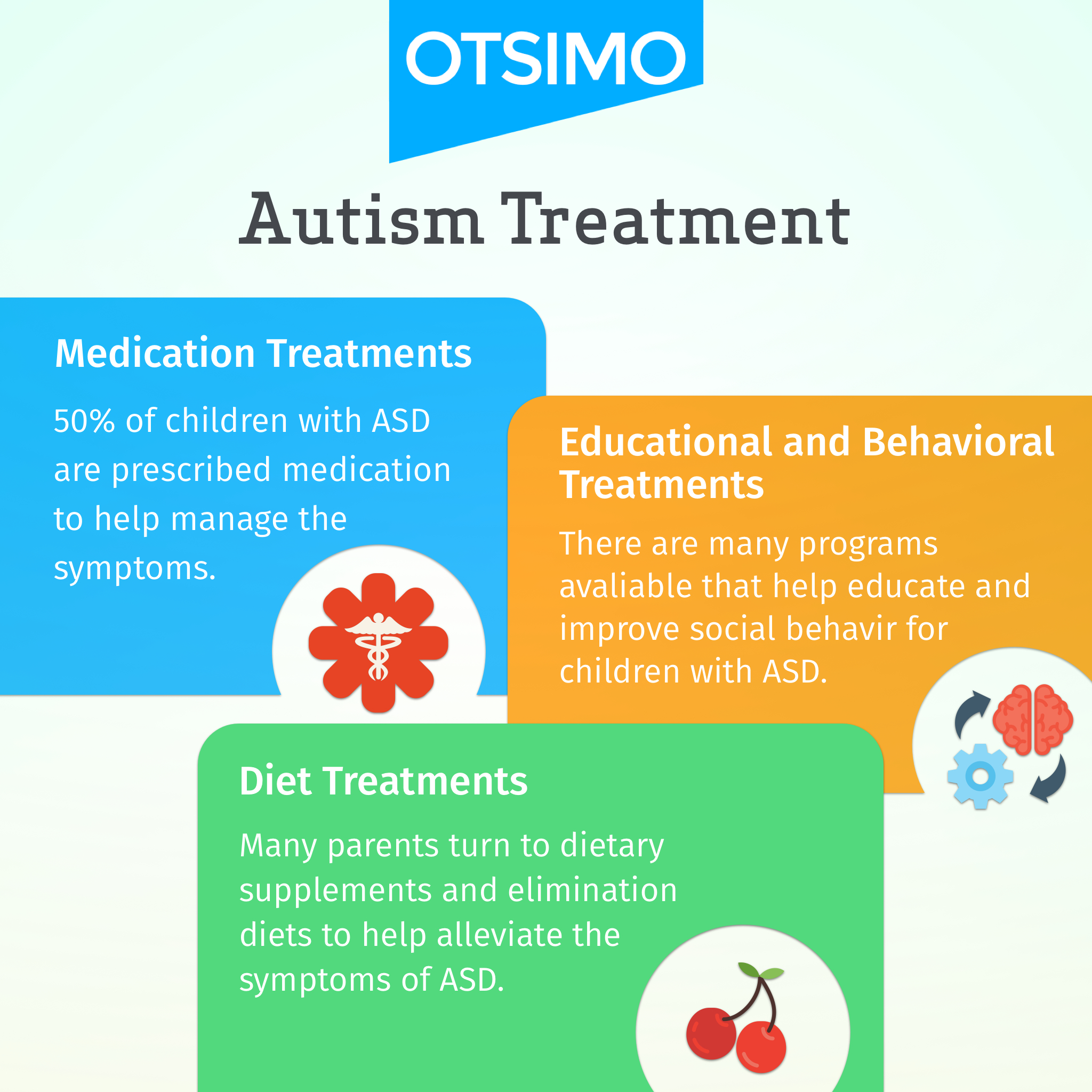

It might likewise consist of functional abilities for self-care and various other day-to-day tasks. The participation of moms and dads or main caretakers is vital to incorporate the therapy right into the child's day-to-day live NIDCD. Parents can enhance the abilities learned throughout treatment sessions and provide the necessary assistance and encouragement. It is necessary to keep in mind that showing one or more of these indicators does not instantly imply a youngster has ASD. However, parents or caretakers who notice these signs in their kid must consult with a doctor or a professional in youngster growth.
Typical Sorts Of Behavior In Autistic Kids
Every action in the direction of understanding and approval brings us closer to a globe where autistic people can fully express their authentic selves and add their special presents to culture. The term 'difficult behaviors/problems' refers to behaviors which might cause substantial harm or disturbance in the lives of youngsters with autism. Prompt intervention and medical diagnosis of such 'challenging habits help to check out the signs and cause of these difficult behaviors in people with autism. The research study and evidence on some of the behaviors are intended to reduce the negative good manners or minimize them to a degree. Helping children with autism navigate their emotions is a journey of patience, empathy, and development. With regular assistance, they can establish the tools to reveal themselves, build meaningful connections, and feel confident in their ability to handle life's challenges.
As an example, while several children might suck their thumbs, bite their nails, or twirl their You can find out more hair, autistic children might in addition be likely to flap their hands, run on their toes, or rock backward and forward. It's not clear whether this results from much better detection and reporting or an actual boost in the variety of situations, or both. As a result of the unique mixture of signs in each kid, intensity can occasionally be difficult to figure out. It's generally based upon the level of impairments and how they influence the ability to operate. For youngsters with Autism Range Condition, both spoken and non-verbal communication can be a substantial obstacle. These problems can show up in numerous ways, including non-verbalism, meaningful language troubles, receptive language troubles, and concerns with social or practical language [5] Executive working and cognitive patterns in autism can differ dramatically from neurotypical norms. This could manifest as problem with preparation, organization, or time administration. Some individuals with autism stand out at pattern acknowledgment or have outstanding memory for details, while others might struggle with abstract thinking or generalising principles throughout contexts.